

Nuance Audio Panthos 48 Hearing Aid Glasses Review
The Nuance Audio Panthos 48 is one of the more interesting hearing-aid alternatives I’ve seen: it hides the hearing technology inside a normal-looking pair of eyeglasses rather than putting a device behind or inside your ears.
The concept is excellent. The execution is good, but not yet perfect.
The current Panthos 48 is a legitimate OTC hearing-aid product for adults with mild-to-moderate hearing loss, using two open-ear speakers and six microphones with directional processing/beamforming. The current version claims up to 10 hours of continuous use and starts at $699 in the U.S. with prescription lenses available. (Nuance Audio)
⭐ Overall Rating: 8/10
Best feature: Directional speech enhancement without putting anything in your ears.
Biggest drawback: The hearing performance is useful, but it doesn’t completely replace the sophistication of a good conventional hearing aid—especially for difficult listening environments.
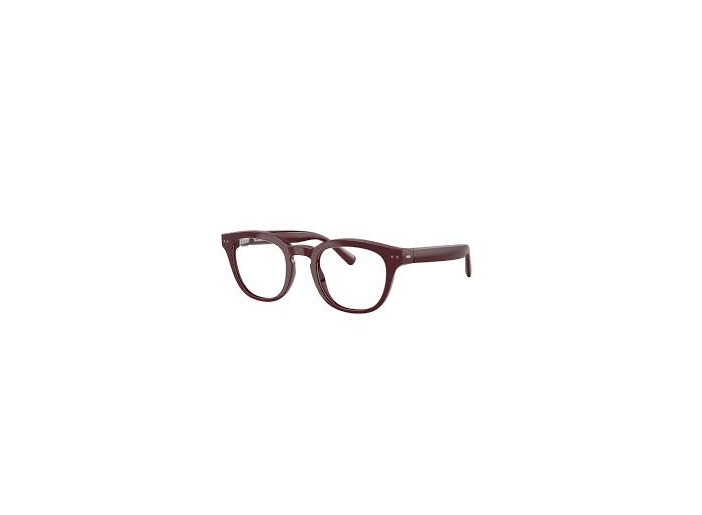
Nuance Audio Panthos 48
$1,300.00
👓 Design — 9/10
This is where the Panthos 48 really stands out.
Instead of looking like medical equipment, the Panthos is a fairly conventional rounded/Phantos-style eyeglass frame. The electronics are integrated into the temples, with the speakers positioned to deliver sound toward your ears.
The 48-mm lens size and 22-mm bridge make this the smaller Panthos option compared with Nuance’s 54- and 56-mm Square frames. (Nuance Audio)
The current version also has adjustable nose pads, which is a meaningful improvement for getting the frame positioned correctly. (Nuance Audio)
And that’s important with hearing glasses: positioning isn’t just about comfort. The speakers and microphones need to sit correctly relative to your ears and face.
My take: If you’re uncomfortable with traditional hearing aids because they’re visible, the Panthos design is one of its biggest selling points.
🔊 Hearing Performance — 8/10
This is the part that matters most.
The Panthos uses six microphones and two speakers, with directional amplification designed to emphasize speech while reducing competing background sound. (Nuance Audio)
In a quiet room, I’d expect the experience to be quite good.
The more interesting test is a restaurant or social gathering.
That’s where Nuance’s beamforming approach makes sense: rather than simply making everything louder, the glasses attempt to focus amplification toward the person you’re trying to hear.
Independent testing has found that the glasses provide solid speech-clarity performance, but also identified limitations compared with more traditional hearing solutions. HearingTracker rated the overall product 3.5/5, with speech clarity being one of its stronger areas. (Hearing Tracker)
TechRadar’s hands-on review was similarly mixed: it praised the directional sound capability and ease of use but felt the product had significant shortcomings that prevented it from being a straightforward recommendation for every hearing-impaired user. (TechRadar)
Where I think the Panthos makes the most sense:
- Restaurants
- Family gatherings
- Meetings
- Watching TV
- Conversations in moderately noisy environments
- Situations where you don’t want earbuds or conventional hearing aids
Where I’d be more cautious:
- Very loud restaurants
- Large crowds
- Severe hearing loss
- Situations requiring maximum speech separation
- Users who need highly sophisticated hearing-aid programming
🧠 The Directional Microphones Are the Star
This is probably the feature I’d care about most.
Nuance specifically designed the system to help with speech in noisy environments, using directional microphones and beamforming. (Nuance Audio)
That’s much more useful than simply having glasses with tiny speakers.
The goal is essentially:
Make the person you’re talking to easier to understand without making the entire environment equally loud.
When that works, it’s a very natural concept.
📱 Setup & App — 8/10
The glasses pair with the Nuance Audio app on iPhone and Android.
The initial setup includes a guided calibration process. TechRadar found the out-of-box setup impressively straightforward, including a two-stage calibration performed in a quiet environment. (TechRadar)
You can then adjust the hearing experience through the app rather than needing to fiddle with complicated physical controls.
There are also touch controls built into the frame. (Nuance Audio)
That’s a major advantage for someone who doesn’t want to constantly reach for their phone.
🔋 Battery Life — 8/10
The current Panthos model lists approximately 10 hours of continuous use under average conditions. (Nuance Audio)
That’s enough for most of a day, although heavy users may still need to charge every night.
The glasses come with a wireless charging pad and protective case, so charging is relatively painless. (Nuance Audio)
One thing I’d emphasize: battery life is good, but it isn’t exceptional for a product that costs this much.
📞 Bluetooth & Audio
The Panthos supports Bluetooth/Bluetooth Low Energy and works with iOS 16.6.1+ and Android 12+. (Nuance Audio)
That makes it more than a hearing device—you can use it as an audio accessory as well.
However, this is one area where expectations need to be reasonable.
These aren’t intended to replace premium headphones or earbuds.
The primary purpose is hearing assistance, not high-end music reproduction.
👓 Prescription Glasses — Major Advantage
This is probably the biggest practical advantage over conventional hearing aids.
You can combine vision correction and hearing assistance in the same pair of glasses.
Nuance offers prescription configurations and options such as Transitions lenses. The U.S. lineup currently starts around $699 for Panthos prescription hearing glasses, with the final price increasing depending on lens configuration. (Nuance Audio)
That makes the product much more compelling for someone who already wears glasses every day.
Instead of:
Glasses + hearing aids
you essentially have:
Glasses + hearing assistance in one device.
💰 Price & Value — 7/10
Here’s where things get complicated.
The current Panthos 48 starts at roughly $699, while prescription configurations can cost more. (Nuance Audio)
That’s not cheap.
And you’re essentially buying two products:
- A pair of eyeglasses
- An OTC hearing device
If you already need prescription glasses, the value proposition becomes considerably better.
If you don’t wear glasses, however, spending $699+ primarily for hearing assistance becomes harder to justify.
And if you have significant hearing loss, I’d strongly consider whether a conventional hearing aid fitted by an audiologist would give you better results for the money.
⚠️ The Biggest Problem: They’re Still Glasses
This sounds obvious, but it’s important.
If you use the Panthos as your hearing solution, you have to wear your glasses to get the hearing assistance.
Forget your glasses?
You’ve also forgotten your hearing device.
Want to switch to sunglasses?
Depending on your setup, you may need another pair.
This is fundamentally different from traditional hearing aids, which you can wear independently of your eyewear.
🆚 Panthos vs. Traditional Hearing Aids
| Nuance Panthos 48 | Traditional hearing aid | |
|---|---|---|
| Visibility | ⭐⭐⭐⭐⭐ | ⭐⭐⭐ |
| Comfort | ⭐⭐⭐⭐½ | ⭐⭐⭐⭐ |
| Speech enhancement | ⭐⭐⭐⭐ | ⭐⭐⭐⭐⭐ |
| Noisy environments | ⭐⭐⭐⭐ | ⭐⭐⭐⭐⭐ |
| Convenience | ⭐⭐⭐⭐½ | ⭐⭐⭐⭐ |
| Battery | ⭐⭐⭐⭐ | ⭐⭐⭐⭐½ |
| Prescription glasses | ⭐⭐⭐⭐⭐ | Separate |
| Customization | ⭐⭐⭐½ | ⭐⭐⭐⭐⭐ |
| Price | ⭐⭐⭐½ | Varies widely |
| Style | ⭐⭐⭐⭐⭐ | ⭐⭐⭐ |
The Panthos isn’t necessarily trying to beat the best prescription hearing aids at pure hearing performance.
It’s trying to offer a more discreet and socially comfortable alternative.
And at that job, it’s much more compelling.
Pros & Cons
👍 Pros
- Excellent glasses-based design
- Hearing technology is extremely discreet
- Six microphones
- Directional speech enhancement
- Open-ear design
- Prescription lenses available
- Comfortable for many users
- Simple app-based setup
- Touch controls
- Around 10 hours of current-model battery life
- Looks much more like normal eyewear than a medical device
👎 Cons
- $699+ is expensive
- Not ideal for severe hearing loss
- Performance can be less sophisticated than premium traditional hearing aids
- You must wear the glasses to use the hearing assistance
- Battery needs daily charging for many users
- Limited frame/size selection
- Bluetooth/audio functionality isn’t a substitute for premium headphones
- Noisy environments can still challenge the system
🏆 Final Verdict
The Nuance Audio Panthos 48 is one of the most compelling hearing-glasses concepts currently available—but it’s not a universal replacement for hearing aids.
I’d give it:
| Category | Score |
|---|---|
| Design | 9/10 |
| Comfort | 8.5/10 |
| Speech clarity | 8/10 |
| Noisy environments | 8/10 |
| App/setup | 8/10 |
| Battery | 8/10 |
| Prescription integration | 9.5/10 |
| Value | 7/10 |
| Overall | 8/10 |
Who should buy it?
I’d seriously consider the Panthos 48 if you:
- already wear glasses,
- have mild-to-moderate hearing difficulty,
- particularly struggle with conversations in restaurants or groups,
- don’t like traditional hearing aids,
- and value discretion and appearance.
Who shouldn’t buy it?
I’d look at professionally fitted hearing aids instead if you have substantial hearing loss or need maximum performance in challenging acoustic environments.
My bottom line: The Panthos 48 doesn’t make hearing aids obsolete. What it does is make hearing assistance far less conspicuous and much easier to combine with something you already wear every day. That’s a genuinely valuable idea, and the technology is good enough that I’d take the concept seriously—not just as a novelty.
One important note: Nuance currently sells both an earlier Panthos 48 (AW5002, up to 8 hours) and a newer Panthos/Plus generation (AW5007, up to 10 hours), so check the model number before buying. (Nuance Audio)